Apple MacBook Air M3 vs Dell XPS 16: Which Premium Laptop Is Right for You?
When you're searching for the Best Laptops 2025 has to offer, two standout contenders inevitably rise to the top of every expert's list: the Apple MacBook Air (M3) and the Dell XPS 16. These two machines represent the pinnacle of what ultraportable and premium laptops can achieve, yet they take remarkably different approaches to winning your favor. The MacBook Air M3 doubles down on efficiency, silence, and all-day endurance, while the Dell XPS 16 pushes boundaries with raw power and a display that will make your jaw drop. Choosing between them isn't simply a matter of comparing specs on paper. It's about understanding how you work, what you value in a daily driver, and which compromises you're willing to accept. Whether you're a student carting your laptop across campus, a creative professional who demands color accuracy, or a business traveler who needs a machine that won't die before your flight lands, this comparison will help you navigate the decision with clarity and confidence.
Quick Comparison Overview
If you need the shortest possible answer, here it is: the Apple MacBook Air (M3) is the undisputed champion of portability, battery longevity, and silent operation at an accessible price point. The Dell XPS 16, by contrast, is a powerhouse built around a breathtaking 16-inch OLED display that will appeal to visual creatives and performance seekers who don't mind paying a premium and sacrificing some battery endurance. Your choice ultimately hinges on whether you prioritize all-day mobility or desktop-replacement performance wrapped in a larger, more visually stunning package.
Performance & Quality Comparison
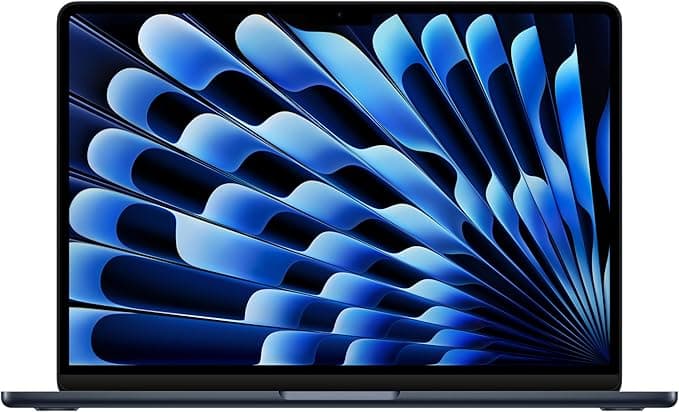
When you first lay eyes on the Apple MacBook Air (M3), its understated elegance immediately signals quality. The all-aluminum unibody construction feels dense and premium in your hands, and at just 3.3 pounds, you'll barely notice it in your backpack. The fanless design is a genuine engineering marvel. You can push this machine through everyday workloads, photo editing, and even light video work without ever hearing a whisper of mechanical noise. The M3 chip inside delivers snappy responsiveness that makes multitasking feel effortless, and the industry-leading battery life stretches up to 19 hours, which means you can realistically leave your charger at home for an entire weekend trip.
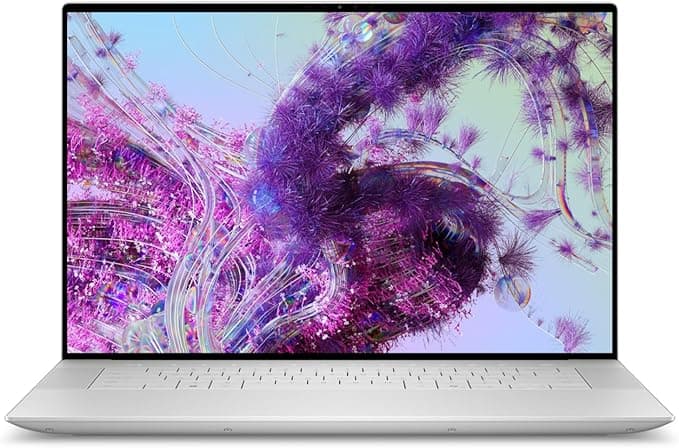
The Dell XPS 16 answers with a completely different kind of excellence. Its premium aluminum and carbon fiber construction feels sophisticated and modern, while the larger footprint accommodates serious computing hardware. The Intel Core Ultra 7 processor options provide muscle for demanding applications that would make the MacBook Air M3 struggle, such as complex data analysis, architectural rendering, or running multiple virtual machines simultaneously. However, you should know that neither machine is designed for professional-level 3D rendering. The Dell XPS 16 handles creative workloads admirably, but sustained GPU-intensive tasks will push both laptops to their thermal limits, albeit in different ways. The MacBook Air M3 throttles passively, while the Dell XPS 16 relies on active cooling that you will hear when the fans spin up under heavy load.
Features & Functionality Comparison
Display quality is where these two laptops diverge most dramatically. The Dell XPS 16 sports a stunning 16-inch 4K OLED display with Dolby Vision support, delivering inky blacks, vibrant colors, and a pixel density that makes text look like printed paper. If you edit photos, grade video, or simply consume a lot of HDR content, this screen will spoil you for anything else. The Apple MacBook Air (M3) offers a very good IPS display with excellent color accuracy, but it lacks the mini-LED technology found in Pro models, meaning blacks aren't as deep and contrast isn't as dramatic as what the Dell delivers. This is a noticeable gap if you place them side by side in a dimly lit room.
Port selection presents a shared frustration. Both the MacBook Air M3 and the Dell XPS 16 are limited to USB-C ports with no USB-A or HDMI connections built in. You'll need dongles or adapters for connecting legacy peripherals, external monitors, or SD cards regardless of which machine you choose. This is particularly ironic on the Dell XPS 16, where the larger chassis could easily accommodate additional ports. Both manufacturers clearly expect you to embrace the dongle lifestyle, so factor that accessory cost into your budget. On the connectivity front, both laptops offer fast Wi-Fi and Bluetooth, keeping you connected whether you're in a coffee shop or a corporate boardroom.
Price & Value Analysis
Price is where these two contenders exist in almost entirely different conversations. The Apple MacBook Air (M3) starts at $999 and tops out around $1,299, making it accessible to students, educators, and professionals who need premium build quality without a premium price tag. You get incredible value for your dollar here, especially when you factor in the class-leading battery life and the fact that Apple's M-series chips tend to remain performant for years longer than their Intel counterparts.
The Dell XPS 16 operates in a much higher bracket, starting at $1,899 and climbing to an eye-watering $3,499 for fully loaded configurations. That's a significant investment, and you should carefully consider whether you truly need the OLED display and Core Ultra processing power to justify the premium. The higher-end configurations, while impressive, get very expensive quickly. You'll also want to keep in mind that battery life suffers with the 4K display at full brightness, which undercuts some of the practical benefits of a larger laptop. If you're budget-conscious, the MacBook Air M3 delivers an undeniably stronger value proposition.
Pros and Cons Side by Side
| Apple MacBook Air (M3) | Dell XPS 16 |
|---|---|
Pros:
|
Pros:
|
Cons:
|
Cons:
|
Best Use Cases: Who Should Buy Which Laptop?
You Should Choose the Apple MacBook Air (M3) If:
The Apple MacBook Air (M3) is tailor-made for students and professionals who prioritize mobility above all else. If you spend your days bouncing between lecture halls, libraries, coffee shops, and coworking spaces, the lightweight design and exceptional battery life will fundamentally change how you think about charging. You'll stop scanning rooms for outlets and start trusting your laptop to last through marathon study sessions or back-to-back meetings. Writers, researchers, business analysts, and anyone whose workflow revolves around browser-based applications, document creation, and light creative work will find the MacBook Air M3 to be more than adequate. It's also the smarter choice if silence matters to you. The fanless design means you'll never disturb colleagues in a quiet office or draw attention during a video call.
You Should Choose the Dell XPS 16 If:
The Dell XPS 16 is the better fit if your work revolves around visual detail and screen real estate. Photographers, video editors, graphic designers, and anyone who color-grades content will deeply appreciate the OLED panel's accuracy and contrast. The larger 16-inch display also makes split-screen multitasking genuinely comfortable, allowing you to reference research on one side while writing on the other without feeling cramped. If you frequently work with large datasets, run engineering simulations, or need Windows-specific software for your profession, the Dell XPS 16 justifies its higher price with capabilities the MacBook Air M3 simply cannot match. This is also the laptop to pick if you consume a significant amount of HDR content and want the best viewing experience available on a laptop today.
Final Verdict & Recommendation
After examining every angle, the Apple MacBook Air (M3) emerges as the more universally recommendable laptop for the vast majority of buyers searching for the Best Laptops 2025 can deliver. Its combination of affordability, battery endurance, silent operation, and proven performance creates a package that is genuinely hard to criticize. You're getting a machine that will handle everything from thesis writing to podcast editing without breaking a sweat, and you'll pay a reasonable price for the privilege. The port limitations are annoying but manageable with a small USB-C hub, and the display, while not OLED-quality, is still excellent for productivity work.
The Dell XPS 16 is a superb laptop that excels in a narrower lane. If you have the budget, crave that gorgeous OLED display, and need the extra processing headroom that Intel Core Ultra provides, you won't be disappointed. Just be prepared for shorter battery life and a significantly lighter wallet. Ultimately, the best choice comes down to whether you value efficiency and portability or visual excellence and raw power. Both laptops represent the cutting edge of their respective ecosystems, and you'll be well-served by either. Take stock of your daily workflow, be honest about your budget, and pick the machine that aligns with how you actually work rather than how you imagine you might work someday. Your perfect laptop is waiting. Make your choice with confidence and start creating.
Ready to upgrade to one of the Best Laptops 2025 has available? Consider your priorities, compare your options carefully, and invest in the machine that will serve you best for years to come. Whether you choose the refined efficiency of the Apple MacBook Air (M3) or the visual powerhouse that is the Dell XPS 16, you're getting a top-tier laptop that represents the finest engineering its manufacturer has to offer.