Ryobi RY142500 vs Simpson Cleaning PS3228: Which Pressure Washer Is Right for You?
If you're shopping for a pressure washer this year, you've likely encountered a frustrating dilemma: should you choose the convenience and quiet operation of an electric model or the raw, unrelenting power of a gas-powered machine? This is exactly the decision many homeowners face when comparing the Ryobi RY142500 and the Simpson Cleaning PS3228 — two standout options in the Best Pressure washers 2025 category. These machines represent two fundamentally different philosophies. The Ryobi RY142500 is a refined, user-friendly electric pressure washer designed for weekly residential cleaning tasks. The Simpson Cleaning PS3228, by contrast, is a heavy-duty gas workhorse built for demanding jobs that require professional-grade output. Understanding the strengths and trade-offs of each will save you time, money, and frustration. In this comprehensive comparison, we'll break down performance, features, pricing, and ideal use cases so you can make a confident, informed decision.
Quick Comparison Overview
The core difference between these two pressure washers comes down to power source and intended use. The Ryobi RY142500 is a 2500 PSI electric unit that prioritizes convenience, low maintenance, and quiet operation at an affordable price point. The Simpson Cleaning PS3228 is a 3300 PSI gas-powered machine with a Honda engine that delivers professional-grade cleaning force at a significantly higher cost. If you want plug-and-play simplicity, go electric. If you need maximum cleaning power and don't mind the maintenance, go gas.
Performance & Quality Comparison
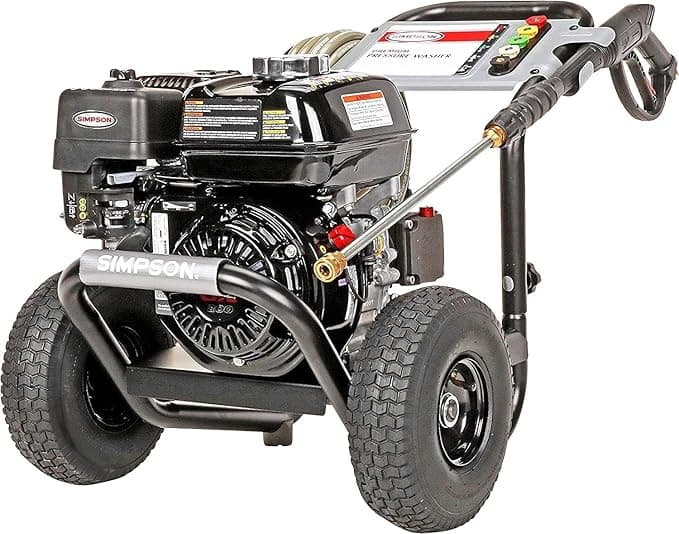
When it comes to raw cleaning performance, the Simpson Cleaning PS3228 holds a clear advantage. Its Honda GX200 engine produces a formidable 3300 PSI, which is roughly 800 PSI more than the Ryobi. This translates to faster cleaning on stubborn grime, oil stains, and large surface areas like driveways and sidewalks. The Honda GX200 is widely regarded as one of the most reliable small engines ever made, so you can expect years of dependable service with proper care.
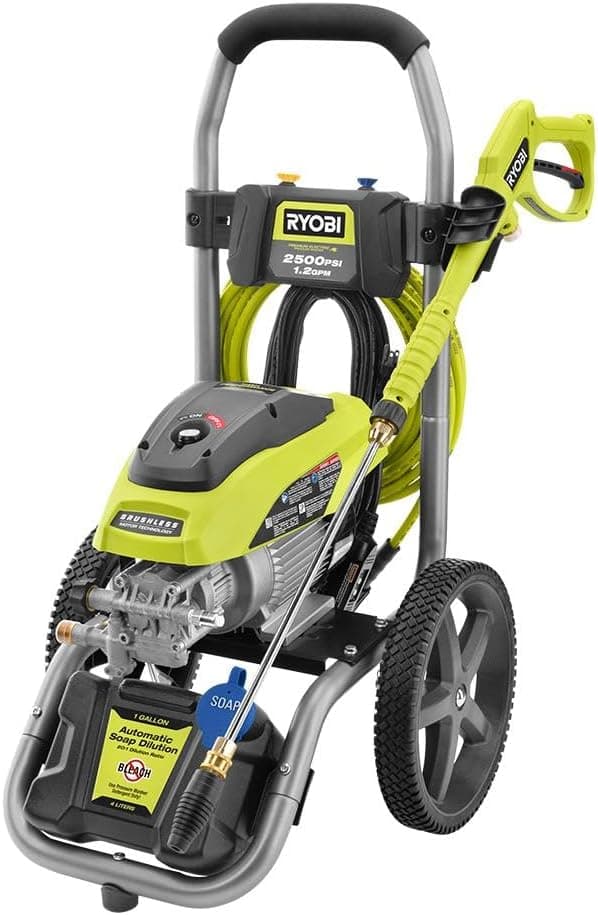
The Ryobi RY142500 counters with its brushless motor technology, which delivers 2500 PSI efficiently and quietly. While it won't match the Simpson's raw force, this electric pressure washer still provides excellent cleaning performance for typical residential tasks such as washing cars, cleaning patio furniture, removing mildew from siding, and refreshing wooden decks. The brushless motor also means fewer moving parts that can wear out, contributing to a longer lifespan than traditional electric motors.
Build quality on both machines is solid but in different ways. The Ryobi RY142500 weighs in at 57 pounds, which is heavier than many electric competitors but feels sturdy and well-constructed. The Simpson Cleaning PS3228 is heavier and bulkier overall, reflecting its rugged steel frame and commercial-grade components. Neither machine feels flimsy, but the Simpson is clearly built for more punishing environments.
Features & Functionality Comparison
The Ryobi RY142500 shines in the convenience department. Its 12-inch wheels are larger than what you'll find on most electric pressure washers, making it surprisingly easy to maneuver across grass, gravel, and uneven terrain. The 35-foot power cord and 25-foot hose provide extended reach, reducing the number of times you need to move the unit or switch outlets. These thoughtful touches make the Ryobi RY142500 feel genuinely user-friendly.
However, the Ryobi isn't without its flaws. The soap dispenser design makes refilling and cleaning more difficult than it should be, which can become annoying if you frequently use detergent for vehicle washing or siding cleaning. Additionally, the nozzle storage only accommodates two extra nozzles, forcing you to store the remaining tips separately where they may get lost.
The Simpson Cleaning PS3228 features pneumatic tires rather than solid plastic or rubber wheels. These air-filled tires handle rough terrain significantly better, absorbing bumps and rolling smoothly over rocks, roots, and uneven ground. The standout protective feature is the low-oil shutdown system, which automatically turns off the engine if oil levels drop too low, preventing catastrophic engine damage. This is a valuable safeguard for a machine at this price point.
The trade-offs for the Simpson include noticeably louder operation — expect the standard gas engine roar rather than the gentle hum of an electric motor. You'll also need to commit to regular engine maintenance including oil changes, air filter replacements, and spark plug checks. These aren't deal-breakers for most serious users, but they represent real time and cost commitments that electric owners never face.
Price & Value Analysis
Price is where these two machines diverge most dramatically. The Ryobi RY142500 retails between $299 and $319, making it an accessible entry point for homeowners who want solid cleaning power without a major investment. At this price, you're getting a capable electric pressure washer that handles 90% of typical residential cleaning tasks with ease. It's an exceptional value proposition for the average homeowner.
The Simpson Cleaning PS3228 commands a price tag of $680 to $700, more than double the Ryobi's cost. Is it twice as good? For most homeowners, honestly, no. But that's not the right question. The Simpson isn't priced for the average homeowner — it's priced for users who need professional-grade performance and are willing to pay for it. If you're cleaning large commercial spaces, prepping multiple properties for painting, or running a side business, the Simpson's extra power and durability justify the premium. The Honda engine alone carries a reputation that commands a higher price.
Consider the long-term value too. The Ryobi has minimal ongoing costs — no gas, no oil changes, no spark plugs. The Simpson requires fuel and periodic maintenance parts, adding perhaps $30 to $60 per year in operating costs depending on usage frequency. Over five years, that's another $150 to $300 on top of the purchase price.
Pros and Cons Side by Side
| Ryobi RY142500 (Electric) | Simpson Cleaning PS3228 (Gas) |
|---|---|
Pros:
|
Pros:
|
Best Use Cases: Who Should Buy Each Pressure Washer?
Choose the Ryobi RY142500 if:
You're a homeowner who wants a reliable, easy-to-use pressure washer for routine tasks around the house. The Ryobi RY142500 is ideal if you regularly wash cars, clean outdoor furniture, remove light mildew from siding, or refresh your deck and patio. Its quiet electric operation means you can use it early in the morning without disturbing neighbors, and the lack of engine maintenance means it's always ready when you are. If you store your pressure washer in a garage or shed and value simplicity, this is your machine.
The extended reach from the 35-foot cord and 25-foot hose makes the Ryobi RY142500 particularly well-suited for suburban homes where outlets may be far from cleaning areas. The 12-inch wheels are a genuine advantage if your property includes grass or uneven ground that smaller-wheeled electric models would struggle to traverse.
Choose the Simpson Cleaning PS3228 if:
You need professional-grade cleaning power for demanding applications. The Simpson Cleaning PS3228 is the right choice if you're cleaning large driveways, stripping old paint, removing years of caked-on grime, or handling multiple properties. If you own a farm, run a small business, or regularly tackle commercial cleaning jobs, the 3300 PSI output and Honda engine reliability will pay for themselves in time saved.
The Simpson Cleaning PS3228 also makes sense if you frequently work in areas without reliable electrical access. Gas-powered mobility means you can take this machine anywhere — remote job sites, large rural properties, or anywhere an extension cord won't reach. The pneumatic tires and rugged construction are built for these challenging environments, and the low-oil shutdown protects your investment during long work sessions.
Final Verdict & Recommendation
Choosing between the Ryobi RY142500 and the Simpson Cleaning PS3228 ultimately comes down to a simple question: how much power do you actually need, and how much maintenance are you willing to accept? For the vast majority of homeowners, the Ryobi RY142500 is the smarter purchase. It delivers impressive 2500 PSI cleaning performance through its brushless motor, operates quietly, requires zero engine maintenance, and costs less than half the price of the Simpson. Its flaws — the awkward soap dispenser and limited nozzle storage — are minor annoyances rather than deal-breakers. The large wheels and extended reach make it a genuinely pleasant tool to use.
However, if your cleaning needs extend beyond typical residential tasks, the Simpson Cleaning PS3228 earns its place among the Best Pressure washers 2025 for professional-grade applications. The Honda GX200 engine is legendary for reliability, and 3300 PSI of cleaning force makes quick work of jobs that would take the Ryobi significantly longer. Yes, you'll deal with noise, maintenance, and a higher purchase price — but for serious users, these are acceptable trade-offs for the performance delivered.
We recommend the Ryobi RY142500 for most homeowners seeking a capable, convenient, and affordable pressure washer. We recommend the Simpson Cleaning PS3228 for professionals, rural property owners, and anyone whose cleaning demands exceed what a 2500 PSI electric unit can reasonably handle. Both are excellent machines in their respective categories — the right choice depends entirely on your specific needs. Take an honest look at your typical cleaning tasks, consider your tolerance for maintenance, and make an informed choice that will serve you well for years to come.