Introduction: The Ultimate Handheld Gaming Showdown of 2026
If you are searching for the Best Gaming handhelds 2026, you have likely narrowed your list down to two titans: the Steam Deck OLED and the Asus ROG Xbox Ally X. These two devices represent the pinnacle of portable PC gaming, yet they cater to very different types of players. You are comparing them because they both promise to deliver your AAA game library on the go, but they take radically different paths to get there. One focuses on a seamless, console-like experience with a gorgeous screen, while the other throws raw power and full Windows compatibility at the problem. Understanding this core difference is the key to making your final decision.
Quick Comparison Overview
The Steam Deck OLED is the champion of user experience, offering a stunning OLED display and an operating system that just works out of the box. In contrast, the Asus ROG Xbox Ally X is the performance king, boasting the most powerful hardware available but requiring a bit more tinkering and a significantly higher budget. Your choice ultimately depends on whether you value a polished, ready-to-play experience or raw, uncompromising power.
Performance & Quality Comparison
When it comes to raw power, the Asus ROG Xbox Ally X is the clear winner. It is equipped with the AMD Ryzen Z2 Extreme APU, which allows you to run the most demanding modern titles at higher settings and smoother frame rates. You will notice the difference immediately in graphically intense games. The Steam Deck OLED, while less powerful, is no slouch. Its custom AMD APU is highly optimized by the SteamOS software, allowing it to punch above its weight class in many titles. The trade-off is that you may need to lower settings in some newer games to achieve a stable 30 or 40 frames per second.
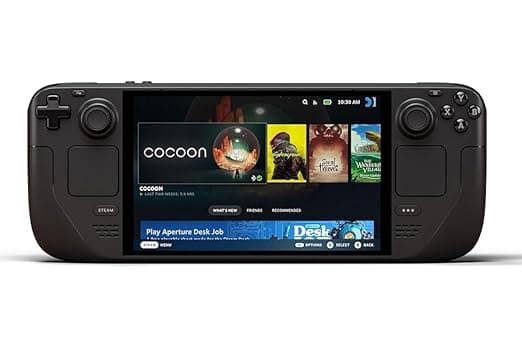
However, performance is not just about numbers. The Steam Deck OLED wins the quality-of-life battle with its vibrant 7.4-inch OLED HDR display with a 90Hz refresh rate. This screen makes colors pop and blacks look truly deep, offering a visual experience that the Asus ROG Xbox Ally X’s IPS LCD simply cannot match. The Asus device is powerful, but you are looking at a standard LCD screen that feels a generation behind. The Steam Deck also features an ergonomic design with integrated touchpads, giving you a level of control versatility that is unmatched for strategy games and desktop navigation.
Features & Functionality Comparison
The most significant functional difference lies in the operating system. The Steam Deck OLED runs SteamOS, which is a Linux-based system designed specifically for gaming. It provides a console-like interface that is incredibly easy to use. You can pick it up, launch a game, and put it to sleep instantly without worrying about driver updates or background processes. The downside is that you are limited to your Steam library compatibility without workarounds. While many games work perfectly, some anti-cheat titles and non-Steam launchers require a bit of technical know-how to install.
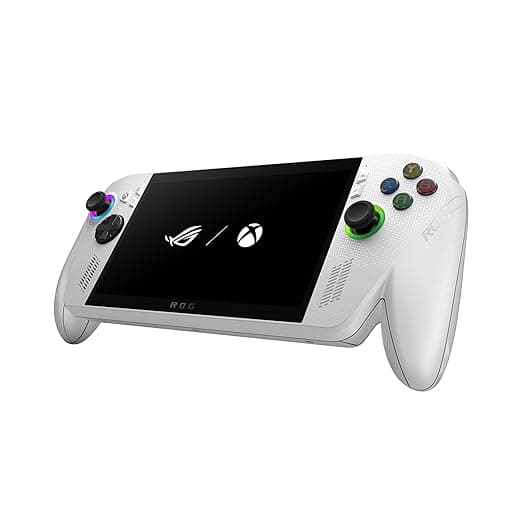
The Asus ROG Xbox Ally X runs full Windows 11, which means you have complete compatibility with every PC game store, including Xbox Game Pass, Epic Games Store, and Battle.net. This is a massive advantage if you have a large library outside of Steam. The device also features console-like comfort with Xbox controller-style grips and impulse triggers, making it feel great in your hands for long sessions. However, the Windows interface is not optimized for a small touchscreen, and you will occasionally have to navigate desktop menus. The new Xbox Full Screen Experience software helps but still has occasional bugs that can break the immersion.
Price & Value Analysis
The price difference between these two is staggering. The Steam Deck OLED is priced between $813 and $830, offering a fixed, high-value package. You know exactly what you are getting for your money. The Asus ROG Xbox Ally X has a much wider price range of $589 to $1259. While the lower end might seem tempting, the base model lacks the top-tier Z2 Extreme chip. To get the full premium experience, you will likely be spending closer to the top of that range, making it significantly more expensive than the Steam Deck.
From a value perspective, the Steam Deck OLED is hard to beat. You get a superior screen, excellent battery life, and a smooth OS for a reasonable price. The Asus ROG Xbox Ally X demands a premium for its top-tier performance and Windows compatibility. You need to ask yourself if that extra power and software flexibility is worth the higher cost. For most users, the Steam Deck offers the better bang for the buck, but for the power user, the Ally X justifies its price.
Pros and Cons Side by Side
Steam Deck OLED
- Pros:
- Vibrant 7.4-inch OLED HDR display with 90Hz refresh rate
- Excellent battery life and efficient SteamOS software
- Ergonomic design with integrated touchpads for versatile control
- Cons:
- Limited to Steam library compatibility without workarounds
- Less powerful than newer Windows-based handheld PCs
- Fan noise can become noticeable under heavy load
Asus ROG Xbox Ally X
- Pros:
- Most powerful performance with AMD Ryzen Z2 Extreme APU
- Console-like comfort with Xbox controller-style grips and impulse triggers
- Full Windows compatibility and seamless Xbox Game Pass integration
- Cons:
- Very high price point compared to competitors
- Uses an IPS LCD screen instead of a more vibrant OLED panel
- The new Xbox Full Screen Experience software still has occasional bugs
Best Use Cases
Who should buy the Steam Deck OLED?
You should buy the Steam Deck OLED if you are deeply invested in the Steam ecosystem and want a device that feels like a premium console. It is perfect if you prioritize a beautiful screen, long battery life, and a user-friendly interface over raw power. This is the ideal choice for indie game lovers, RPG fans, and anyone who wants a hassle-free experience. If you value the visual quality of an OLED panel and do not want to fight with Windows drivers, this is your device.
Who should buy the Asus ROG Xbox Ally X?
You should buy the Asus ROG Xbox Ally X if you are a hardcore gamer who demands the highest frame rates and needs to play games from any store. If you have an Xbox Game Pass subscription and want seamless integration, this is the best option. It is also the right choice if you plan to use the device as a secondary PC, connecting it to a monitor and keyboard. Be prepared to pay a premium and accept that you might encounter a few software hiccups along the way.
Final Verdict & Recommendation
After comparing these two incredible devices, the decision comes down to your personal priorities. The Steam Deck OLED remains our top pick for the Best Gaming handhelds 2026 because it delivers the most balanced and enjoyable experience for the vast majority of players. Its OLED screen is a game-changer, and the software integration is nearly flawless. You will spend more time playing and less time troubleshooting. It is the handheld that feels the most like a dedicated gaming console, which is exactly what most people want.
However, the Asus ROG Xbox Ally X is the superior choice for the performance enthusiast. If you have the budget and you want to play the latest AAA titles at the highest possible settings on a handheld, there is no better option. It is a powerful PC that happens to be portable, but it requires you to be comfortable with Windows. We recommend the Steam Deck OLED for its incredible value and polish, but we fully endorse the Asus ROG Xbox Ally X for those who need the absolute best performance. We encourage you to weigh your library, your budget, and your tolerance for tinkering before making your final purchase.