We have examined extensive data from user feedback, product specifications, and clinical insights to present this comprehensive comparison of the top five neck stretching devices for 2026. Selecting the appropriate device is essential, as the right choice depends greatly on the user’s specific needs—ranging from serious cervical conditions that require measurable traction force to general muscle tightness or posture-related discomfort. Each product operates on a distinct principle, offering specific strengths and trade-offs that should be carefully evaluated.
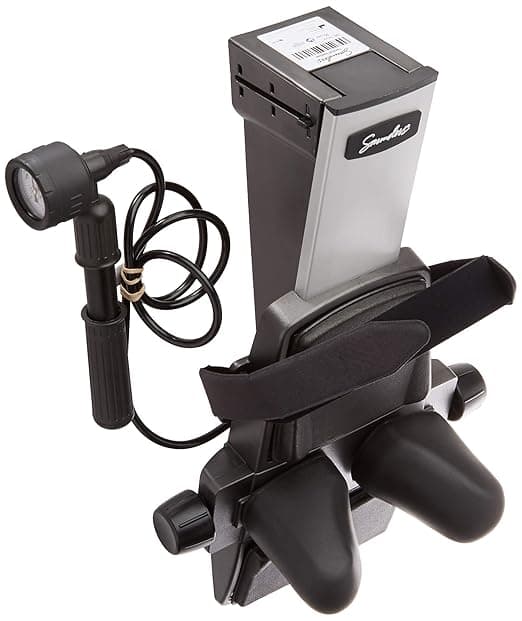
The Saunders Cervical Traction Device with Carrying Case earns the top position as the Best Medical-Grade Home Traction Device. Its greatest advantage is the ability to deliver up to 50 pounds of clinically supported pneumatic traction, accurately monitored through a clear, easy-to-read pressure gauge. This capability is crucial for users following structured treatment plans recommended by healthcare professionals. Three adjustable angle settings—15, 20, and 25 degrees—allow for targeted positioning to address different regions of the cervical spine. Self-adjusting neck wedges promote proper alignment, improving both comfort and effectiveness. The primary trade-offs are its premium cost, the need for dedicated floor space, and the potential for the wedges to feel firm at higher pressure levels. It is best suited for individuals with diagnosed cervical conditions, such as herniated discs or chronic nerve compression, who require consistent, measurable traction at home.
The Restcloud Neck and Shoulder Relaxer stands out as the Best Value for Daily Use, supported by exceptionally strong user feedback, with more than 88,000 reviews and an average rating of 4.2 stars. Its appeal lies in its simplicity and effectiveness for everyday muscle relaxation. The ergonomic C-shaped design requires only about 10 minutes of daily use to help ease tension and stiffness. Its lightweight, foam-filled construction makes it easy to transport and store. The major limitation is the absence of adjustable pressure; it provides gentle, passive traction without precise force control. Users should also anticipate a short adjustment period as the neck adapts to the shape. This option is ideal for individuals seeking an affordable, straightforward solution for routine neck and shoulder discomfort without the complexity of clinical equipment.
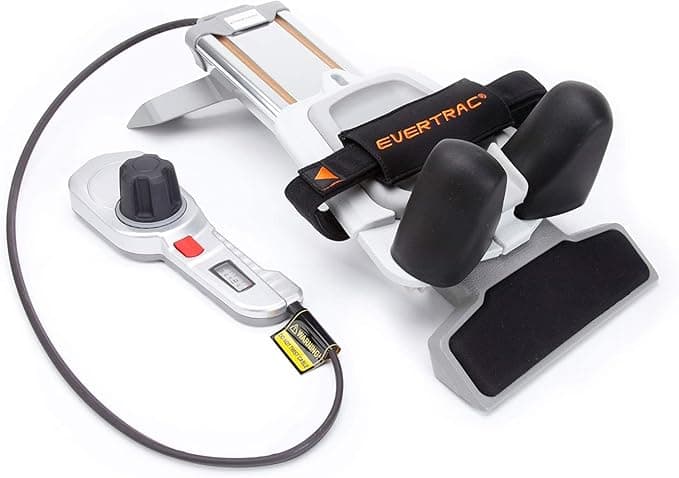
The Everyway4all EverTrac Cervical Traction Device receives recognition for Most Precise Mechanical Traction, thanks to its Direct Cable Technology. This system delivers accurate traction forces up to 50 pounds without the air-leak risks associated with pneumatic designs. Adjustment is quick and intuitive, requiring only one or two turns of a control knob to reach prescribed force levels. It is particularly effective for addressing a wide range of musculoskeletal and neurological concerns. Drawbacks include a higher entry price compared with basic devices and a mechanical system that some users may find less intuitive than inflatable models. It also offers fewer angle adjustment options than multi-position systems such as the Saunders. This device is well suited for users who need highly precise, measurable traction and prefer the reliability of a mechanical mechanism.
The Pronex Cervical Traction Device earns the Best Portable Design designation for its distinctive, restraint-free approach. Its dual-action mechanism combines flexion and extension to support the natural cervical curve without fully immobilizing the user. The absence of straps, weights, or cables makes it exceptionally easy to use and highly portable. However, this convenience limits the maximum traction force, and it is not intended to deliver the high-level decompression provided by medical-grade devices. Force adjustment is also less exact, with no pressure gauge or quantified settings. It is best suited for individuals who want gentle traction and mobility in a compact, travel-friendly design, such as for office use or frequent travel.
The AllSett Health Posture Neck Exercising Cervical Spine Hydrator Pump is highlighted as Best for Posture Correction. Its design centers on improving forward head posture and reducing cervical hump formation by reinforcing the natural cervical curve. The gentle pumping mechanism is intended to support disc hydration and promote flexibility over time. Its limitations reflect its specialized focus: traction levels are mild and intended for postural support rather than aggressive decompression, and visible improvements depend on consistent, long-term use. This device is most appropriate for users whose primary goals are correcting posture, addressing tech neck, and supporting long-term spinal health rather than managing acute pain or significant nerve compression.



Comments
Leave a Comment