
Saunders Cervical Traction Device vs Restcloud Neck and Shoulder Relaxer: Which Best Neck Stretching Device 2025 Should You Choose?
Choosing the right tool for neck pain can feel overwhelming, especially when the market ranges from simple foam supports to professional-grade traction systems. If you have been searching for the Best Neck stretching device 2025, you have probably seen two very different options dominate the conversation: the Saunders Cervical Traction Device and the Restcloud Neck and Shoulder Relaxer. These two products represent opposite ends of the spectrum in price, technology, and intended use, yet both earn high marks for relieving tension and improving neck comfort at home. This comparison breaks down what makes each product unique, who benefits most from each design, and why your personal routine, budget, and pain level should drive your final decision. Whether you need clinical-strength decompression or a quick daily relaxation tool, understanding the strengths and limitations of these popular neck traction devices will help you choose confidently.
Quick Comparison Overview
The key difference is simple: the Saunders Cervical Traction Device delivers adjustable, clinically-proven pneumatic traction force up to 50 pounds with precise angle control, while the Restcloud Neck and Shoulder Relaxer relies on a lightweight, ergonomic C-shaped foam design for passive stretching and muscle relaxation in just 10 minutes a day. If you need medical-grade rehabilitation at home, the Saunders is the stronger choice. If you want an affordable, low-commitment daily stretching aid, the Restcloud makes excellent sense.
Performance & Quality Comparison
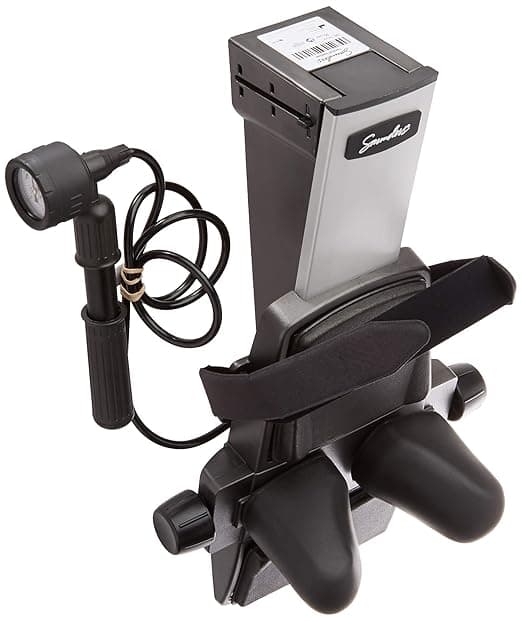
When you compare these two devices under the umbrella of Best Neck stretching device 2025, performance depends heavily on what kind of relief you are seeking. The Saunders Cervical Traction Device is built around a pneumatic pump system that lets you increase or decrease traction force in real time. Its ability to deliver up to 50 lbs of clinically-proven pneumatic traction force means you can replicate the kind of decompression often performed in physical therapy clinics. The easy-to-read pressure gauge gives you objective feedback, so you are not guessing how much tension you are applying. However, the neck wedges may feel too firm for some users at higher pressure levels, and sessions require dedicated time and floor space.
The Restcloud Neck and Shoulder Relaxer takes a gentler, passive approach. This C-shaped support cradles the natural curve of your neck and uses your body weight to create a mild stretch. With over 88,000 reviews and a 4.2-star average rating, it has strong social proof from everyday users. The foam-filled construction is firm enough to support but soft enough for daily use, though you may need several days for your neck to fully adjust to the device. It will not provide clinical-force traction, but for muscle relaxation and mild tension relief, it performs well.
Features & Functionality Comparison
The Saunders Cervical Traction Device stands out for its customization. It features three adjustable angle positions at 15, 20, and 25 degrees, allowing you to target different areas of the cervical spine. This kind of adjustability is significant because different neck conditions respond better to different angles of pull. The self-adjusting neck wedges help create a more personalized fit, while the pressure gauge keeps every session consistent. That said, the device requires more setup, floor space, and a longer treatment session than simpler alternatives.
The Restcloud Neck and Shoulder Relaxer is intentionally minimal. It does not include adjustable pressure settings or angle options, so it is limited to basic traction. What you get instead is convenience: an ergonomic C-shaped design that requires only 10 minutes of daily use. Its compact foam-filled construction provides portability and easy storage, making it simple to use on the floor, a bed, or even while traveling. The trade-off is that you sacrifice the fine-tuned control found on the Saunders.
Price & Value Analysis
There is no ignoring the massive price gap between these two products. The Saunders Cervical Traction Device costs between $400 and $500, placing it firmly in the investment category. However, for someone with chronic cervical pain, a herniated disc, or a pinched nerve, that price may be justified compared to repeated physical therapy copays. It is a durable, professional-grade tool designed for consistent medical-grade home traction.
The Restcloud Neck and Shoulder Relaxer costs just $18 to $25, which makes it one of the lowest-risk purchases in neck care. If you are new to traction or only need occasional relief from desk-related neck stiffness, this is an easy entry point. You will not get adjustable power or clinical precision, but you also will not spend hundreds of dollars before knowing whether traction works for you.
Pros and Cons Side by Side
| Saunders Cervical Traction Device | Restcloud Neck and Shoulder Relaxer |
|---|---|
Pros:
|
Pros:
|
Best Use Cases
Who Should Buy the Saunders Cervical Traction Device
Choose the Saunders Cervical Traction Device if you have chronic neck pain, a diagnosed cervical condition, or a healthcare provider who has recommended traction. It is best for users who want medical-grade treatment at home and are willing to commit to regular sessions. If you value precise pressure control and angle adjustment over portability, this device is worth the investment. You should also have enough floor space and time to dedicate to treatment.
Who Should Buy the Restcloud Neck and Shoulder Relaxer
Choose the Restcloud Neck and Shoulder Relaxer if you need a simple daily stretch for mild neck tension, stiffness, or stress-related tightness. It is ideal for people who want a portable, affordable device that fits easily into a morning or evening routine. If you travel frequently or have limited storage space, the compact foam design is a major advantage. It is also a smart first traction device if you are not ready to spend hundreds of dollars.
Final Verdict & Recommendation
Ultimately, the Best Neck stretching device 2025 depends on your specific needs, pain level, and budget. If you are managing serious cervical issues and need adjustable, clinically-proven traction force, the Saunders Cervical Traction Device is the superior choice. Its three angle positions, pneumatic pressure control, and pressure gauge make it one of the most capable home traction tools available. The higher price and longer sessions are justified for users who need real decompression therapy.
For most everyday users, however, the Restcloud Neck and Shoulder Relaxer is the more practical starting point. Its low price, strong reviews, and simple 10-minute routine make it easy to use consistently. It will not replace clinical traction, but it can help reduce daily muscle tightness and improve comfort with minimal hassle. You can start with the Restcloud and later upgrade to the Saunders if your needs become more advanced. Consider your pain level, routine, and budget, then choose the device you are most likely to use consistently. That is the key to getting real relief.