Product-Review-Crew analyzed data from multiple expert reviews, user feedback, and performance benchmarks to compare the top posture correction devices of 2026. These five products represent distinct approaches to posture improvement, ranging from technology-assisted habit training to passive, wearable support systems. The most significant divide in this category lies between active posture trainers and passive corrective braces.
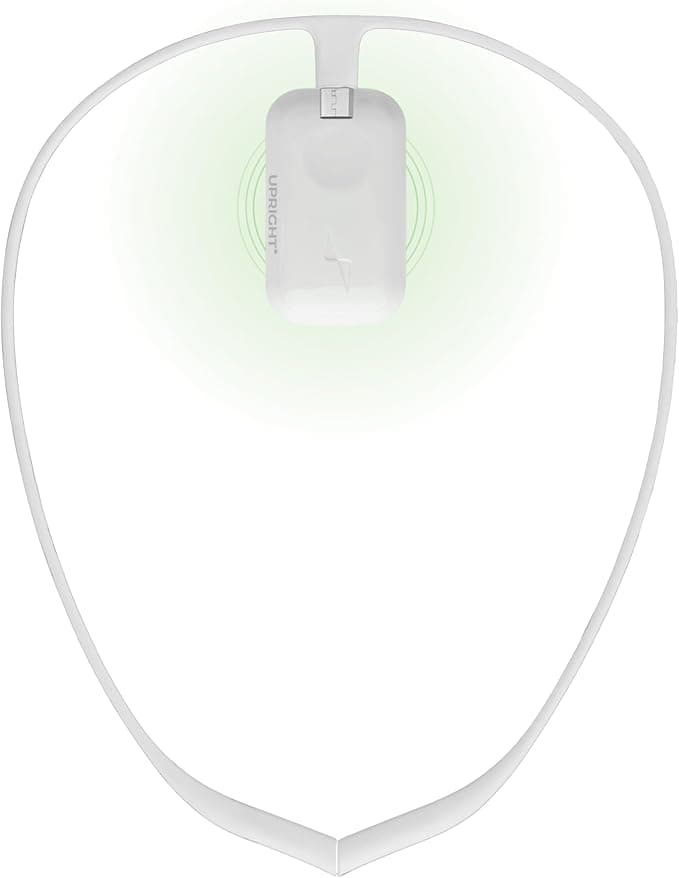
The Upright Go 2 Posture Corrector is the only fully tech-enabled device in this comparison. Rather than physically holding the body in place, it uses a small wearable sensor that attaches to the upper back or necklace. When slouching is detected, it delivers gentle vibration alerts, training users to recognize and correct poor posture independently. The companion mobile app tracks posture sessions and progress over time, making this option especially appealing to data-driven users focused on long-term habit formation. However, it requires consistent engagement with technology, recharging, and replacement adhesive pads, making it less appealing for those seeking a simple, wear-and-forget solution.
In contrast, the remaining four products rely on passive physical support to guide the body into better alignment. The Gaiam Restore Posture Corrector is designed for lightweight, comfortable daily wear with a focus on shoulder alignment. Its breathable materials and adjustable straps allow users to customize tension for extended use without excessive discomfort. This makes it well-suited for office workers or anyone needing steady posture reinforcement throughout the day, though it may be slightly visible under tighter clothing.
The ComfyBrace Posture Corrector focuses on strong upper-back and shoulder support using a classic brace design. Its reinforced straps and structured build provide noticeable shoulder retraction, making it a good option for users with moderate to pronounced upper-back slouching. While effective, its bulkier construction can limit discretion and comfort during long wear sessions or under fitted clothing.
For users who need broader stabilization, the Vive Posture Corrector & Back Brace offers the most comprehensive support in this lineup. It combines upper-back posture correction with lumbar and mid-back compression, helping support the entire spine. This makes it particularly suitable for individuals dealing with lower-back discomfort alongside posture issues. The trade-off is reduced flexibility and a bulkier feel, which may not be ideal for all-day or under-clothing wear.
Finally, the BackEmbrace Posture Corrector targets users who value comfort and discretion above all else. Its minimalist split-strap design and soft polyester construction allow it to sit low-profile under everyday clothing while still encouraging proper shoulder alignment. It offers less structural support than heavier braces but excels as a comfortable posture reminder for daily activities. The primary drawbacks are a slight learning curve when putting it on and a more limited size range.
In summary, choosing the right posture corrector depends on your primary goal. Select the Upright Go 2 for tech-driven habit training and real-time feedback. Choose Gaiam Restore for lightweight, shoulder-focused support suitable for daily wear. Opt for ComfyBrace if strong upper-back correction is your priority. Pick the Vive Posture Corrector & Back Brace for full-back and lumbar support, and go with BackEmbrace if you want a discreet, comfortable brace for extended everyday use.


Comments (1)
I have been using ComfyBrace every day when I am home for about three months and i feel a difference. I do also excersise but the support is a good addition for sure. Good price as well.
Leave a Comment